Trezor Suite: Complete Guide to Managing Your Digital Assets
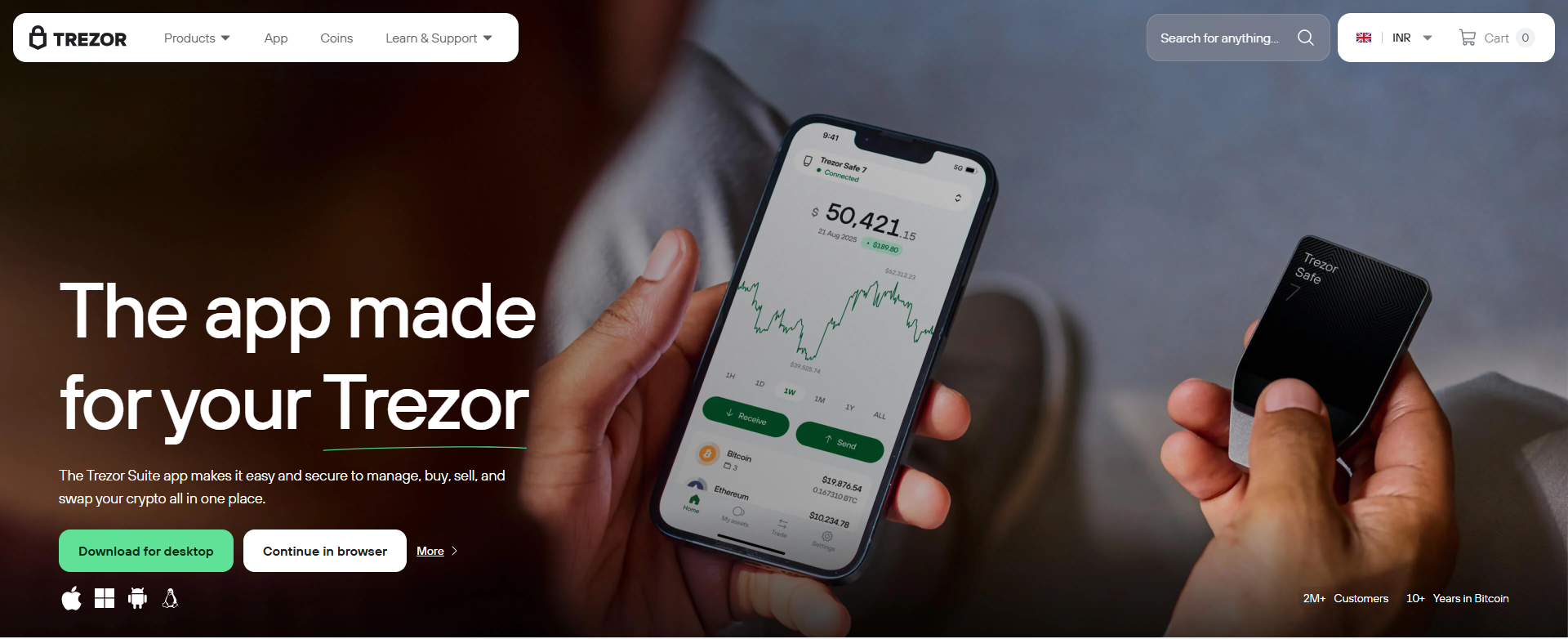
Managing cryptocurrency can become easier when wallet information and account tools are available in one organized interface. Trezor Suite is the software environment designed to work with compatible Trezor hardware wallets. It helps users view supported assets, organize accounts, review transactions, and perform available wallet activities while using a physical device for important security operations.
What Is Trezor Suite?
Trezor Suite is Trezor’s software platform for interacting with compatible hardware wallets. It provides an interface through which users can access wallet accounts and manage supported cryptocurrency holdings.
The software is available through supported desktop, web, and mobile experiences. Features and availability can differ according to the device, cryptocurrency, operating system, and region.
For users who own a Trezor hardware wallet, Suite provides a central place to interact with supported accounts instead of depending entirely on separate wallet applications.
Why Use Trezor Suite?
One of the main purposes of Trezor Suite is to make hardware-wallet management easier to understand. The dashboard can display account information, portfolio values, and transaction activity in an organized format.
Users can select individual accounts to review balances and previous transactions. This can be helpful for people managing multiple supported cryptocurrencies or keeping different accounts organized for different purposes.
The software can also provide access to additional services for supported assets. Available functions may include cryptocurrency purchases, sales, swaps, sending, and receiving, depending on current availability.
How Trezor Suite Works With Hardware Wallets
A Trezor hardware wallet and Trezor Suite work together as separate parts of the wallet-management experience. Suite provides the software interface, while the physical device is used for important security operations.
When a user prepares a transaction, relevant information can be displayed through the software. The transaction may then require confirmation on the Trezor device. Reviewing the details on the physical wallet before approval provides an opportunity to identify errors.
This is especially important when sending cryptocurrency because completed blockchain transactions generally cannot simply be reversed.
Setting Up Trezor Suite
To begin using Trezor Suite, first obtain a compatible Trezor hardware wallet and access the official Trezor software source. Download the appropriate Suite version for your supported device or use an available official access method.
Connect the hardware wallet and follow the instructions displayed by the software. Depending on the device, initial preparation can involve firmware installation, device verification, wallet creation or recovery, and security configuration.
Follow each step carefully rather than skipping instructions that seem unfamiliar.
Creating and Protecting a Wallet
When creating a new wallet, the setup process provides important backup information. This backup can be used to recover wallet access if the hardware device becomes unavailable.
Write the backup information down exactly as instructed and keep it in a private, secure, offline location. Do not save it in an online document or send it through digital communication channels.
Never share your wallet backup with another person. Anyone who gains access to the necessary recovery information could potentially use it to recover the associated wallet.
Managing Accounts in Trezor Suite
After setup, Trezor Suite can be used to organize supported accounts and monitor cryptocurrency activity. Users can check balances, review transaction history, and access supported wallet functions from the dashboard.
Receiving cryptocurrency generally involves providing the appropriate wallet address to the sender. Before sharing an address, verify that it belongs to the correct cryptocurrency and network.
When sending funds, carefully check the destination address and transaction details before approving the operation on the hardware wallet.
Privacy and Security Considerations
Trezor Suite includes security and privacy-related settings that can vary according to the current software version and device. Users should explore these options carefully and choose configurations that match their requirements.
Security also depends on everyday habits. Download wallet software from official sources, avoid suspicious links, and be cautious with messages requesting urgent wallet verification.
If someone asks for your wallet backup or PIN, do not provide it. A request for complete recovery information should be treated as a potential security threat.
Keep Trezor Suite Updated
Keeping wallet software current can help maintain compatibility with supported devices and available services. When updates are offered, verify that they come from an official Trezor source.
Avoid downloading updates from third-party websites, unofficial file-sharing services, or links sent by unknown individuals. Checking the source before installation is a simple but important security habit.
A Convenient Crypto Management Interface
For Trezor users, Trezor Suite combines account management, portfolio visibility, transaction history, and supported cryptocurrency services in one software environment. Its connection with a physical Trezor device allows users to manage their assets while retaining hardware-based confirmation for important operations.
Learning how the software and hardware interact can help users become more comfortable with their wallet and make everyday tasks easier to organize.
Conclusion
Trezor Suite provides a centralized interface for managing supported cryptocurrency accounts with a compatible Trezor hardware wallet. From checking balances and organizing accounts to reviewing transactions and confirming supported operations, the software brings essential wallet functions together. By using official software sources, protecting wallet backup information, and verifying transaction details before approval, users can develop a more careful and organized approach to digital-asset management.